
Cabinet Lock with Key: The Ultimate Guide to Securing Your Valuables
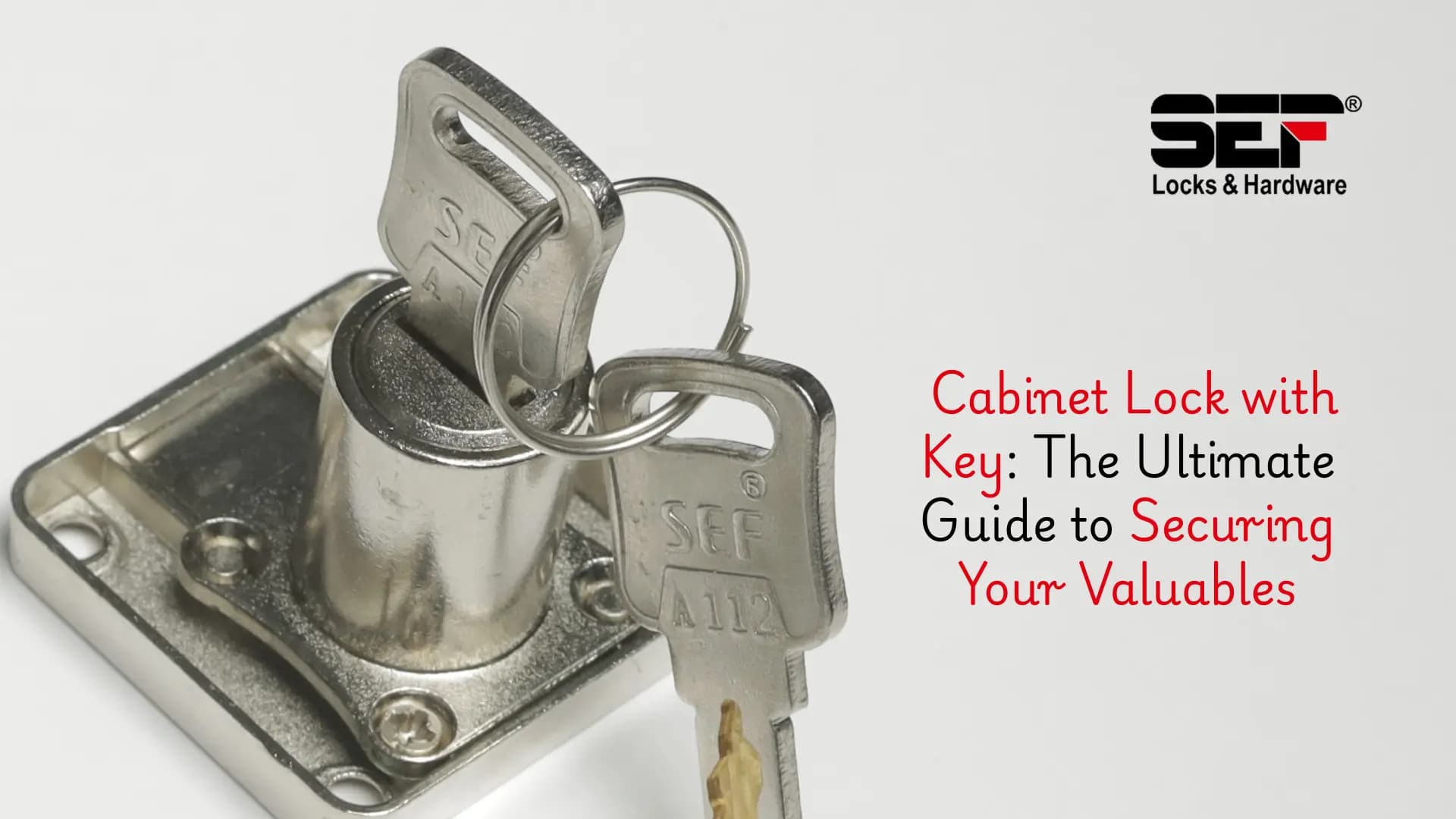
In the ever-evolving landscape of security, the humble cabinet lock with a key continues to stand as a reliable and effective method for safeguarding your valuables and sensitive documents. Whether you're a homeowner securing personal items, a business owner protecting confidential files, or simply someone looking to enhance personal security, understanding the nuances of these locks is more crucial than ever.
This ultimate guide will delve deep into the world of cabinet locks with keys, providing you with the timeless knowledge and insights needed to make informed decisions and ensure optimal protection.
The Enduring Appeal of Cabinet Locks with Keys
Despite the rise of advanced digital and biometric locking systems, traditional cabinet locks with keys retain several key advantages that make them a compelling choice for countless applications:
- Unwavering Reliability: Unlike electronic locks susceptible to power outages, battery failures, or technical glitches, key-operated locks offer a straightforward and dependable mechanical function.
- Cost-Effectiveness: Generally, keyed cabinet locks are more affordable to purchase and install compared to their digital counterparts, offering robust security without a hefty price tag.
- Technological Independence: They don't require batteries, software updates, or network connectivity, making them a self-sufficient and resilient security solution for any environment.
- Simplicity of Use: The operation is intuitive – insert the key and turn. This simplicity is universally understood and beneficial for users of all ages and technical abilities.
- Visible Deterrent: The physical presence of a lock cylinder and keyhole acts as a clear and effective deterrent to potential intruders or unauthorized individuals.
Decoding the Types of Cabinet Locks with Keys
The market offers a diverse range of cabinet locks with keys, each designed for specific applications and security levels. Here's a breakdown of the most common types you'll encounter:
- Pin Tumbler Locks: This is the most prevalent type, utilizing a series of pins of varying lengths that must be aligned perfectly by the key's unique pattern for the lock to open. They offer an excellent balance of security and affordability, making them a popular choice for homes and offices.
- Wafer Tumbler Locks (Disc Detainer Locks): These locks use flat, rotating wafers instead of pins. They are often found in furniture, desk drawers, and filing cabinets, offering a moderate level of security and a compact design.
- Cam Locks: A highly versatile option featuring a cylindrical body and a rotating metal arm (the cam) that engages with a strike plate to lock. They are commonly used on drawers, mailboxes, display cases, and small cabinets. Modern cam locks often come with enhanced security features like anti-drill plates.
- Lever Tumbler Locks: These high-security locks employ a series of levers that must be lifted to the correct height by the key. They are known for their superior resistance to picking and are often used for safes and cabinets storing highly sensitive items.
- Gang Locks: A specialized lock designed to secure multiple drawers or compartments simultaneously with a single key. Ideal for office filing cabinets and multi-drawer storage units, offering convenience and centralized control.
- Plunger Locks (Push Button Locks): These locks feature a spring-loaded bolt that is pushed in to lock and retracted by turning the key. They are often used for sliding glass doors on display cabinets or wherever a flush, unobtrusive locking mechanism is desired.
Essential Security Features to Look For
As security threats evolve, so do the features of keyed cabinet locks. Here are some critical security enhancements to consider:
- Anti-Pick Pins/Wafers: Specially designed internal components (like spool or serrated pins) make it significantly harder for intruders to manipulate the lock's mechanism with picking tools.
- Anti-Drill Features: Hardened steel plates or pins integrated into the lock cylinder to prevent an attacker from simply drilling through the lock.
- Key Control and Restricted Keyways: Systems that limit unauthorized duplication of keys. A restricted keyway means key blanks are not widely available, ensuring that only authorized individuals can obtain copies from a designated locksmith. This is a critical feature for businesses.
- High-Security Cylinder Designs: Locks featuring more complex internal mechanisms and tighter manufacturing tolerances, offering superior resistance to picking, bumping, and other forms of covert entry.
- Master Key Systems: An essential feature for businesses and institutions. Master key systems allow authorized personnel to access multiple cabinets with a single master key, while individual user keys only open specific locks.
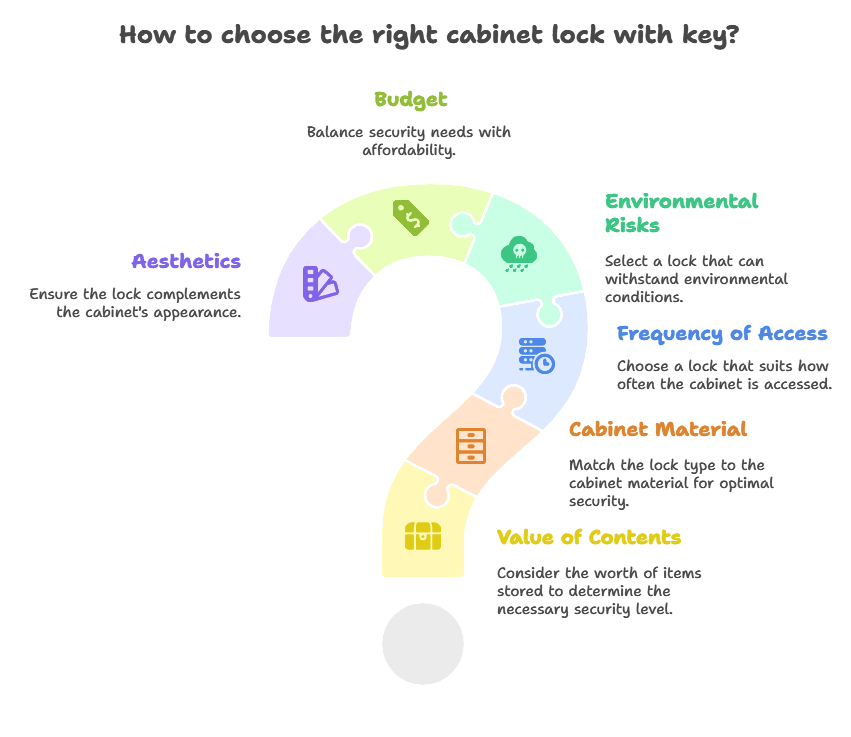
How to Choose the Right Cabinet Lock with Key: Key Considerations
Selecting the appropriate cabinet lock requires a careful assessment of your specific needs:
- Value of Contents: The higher the value or sensitivity of the items inside, the higher the security level of the lock should be. For irreplaceable items or confidential data, opt for high-security lever or pin tumbler locks.
- Cabinet Material: Ensure the lock is compatible with your cabinet material (wood, metal, glass, particleboard). Consider the mounting requirements and the strength of the surrounding material.
- Frequency of Access: For cabinets accessed frequently, a smooth, durable mechanism is essential. For less-used cabinets, a basic lock may suffice.
- Environmental Risks: Assess the potential threats in your environment. Is it a high-traffic public area or a secure private office? Higher risk environments demand more robust locks.
- Budget: Today's market offers a wide range of options at every price point. Determine your budget, but prioritize investing in a lock that provides adequate security for your needs.
- Aesthetics: The appearance of the lock can be important, especially for visible cabinets in homes or customer-facing businesses. Locks are available in various finishes like chrome, brass, and matte black to complement your decor.
Installation and Maintenance: Best Practices for Longevity
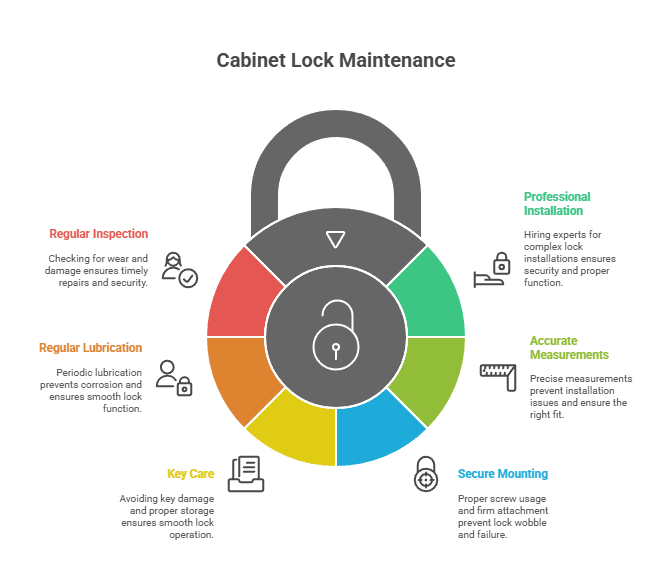
Proper installation and regular maintenance are crucial for ensuring the long-term effectiveness of your cabinet locks:
- Professional Installation: For high-security locks or complex installations (like gang locks), consider hiring a professional locksmith to ensure the lock is fitted correctly and functions securely.
- Accurate Measurements: Before purchasing, carefully measure the thickness of the door/drawer and the dimensions of any existing holes.
- Secure Mounting: Use the appropriate screws for the cabinet material and ensure the lock body and strike plate are firmly attached without any wobble.
- Key Care: Avoid bending or damaging your keys, and never force a key that isn't turning smoothly. Store them in a safe, designated place.
- Regular Lubrication: Periodically lubricate the lock cylinder with a graphite or silicone-based spray to ensure smooth operation and prevent corrosion. Avoid using oil-based lubricants like WD-40, as they can attract dust and gum up the mechanism over time.
Inspect Regularly: Periodically check the lock for signs of wear, damage, or tampering. Address any loose screws or other issues promptly
The Future of Cabinet Locks: Modern Innovations and Trends
While the core mechanical principle remains, keyed cabinet locks are continually evolving to meet modern security demands. Here are some key trends shaping the future of this classic security device:
- Enhanced Security Mechanisms: Manufacturers are constantly innovating with more complex pin configurations and sidebar mechanisms to defeat advanced picking techniques.
- Hybrid Systems: We are seeing the emergence of hybrid locks that combine a mechanical key override with simple electronic features, offering a bridge between traditional and digital security.
- Sustainable and Durable Materials: There is a growing focus on using more environmentally friendly, corrosion-resistant, and durable materials in lock construction.
- Improved Aesthetics and Ergonomics: Expect a wider range of modern designs, finishes, and more ergonomic key designs to complement contemporary furniture and architectural styles.
Conclusion: Securing Your Cabinets with Confidence
The cabinet lock with a key is far more than a simple piece of hardware; it's a foundational element of a comprehensive security strategy. By understanding the different types available, the essential security features to look for, and the importance of proper installation and maintenance, you can make an informed decision to protect your valuable belongings and sensitive information.
Whether you prioritize simplicity, affordability, or high security, there's a keyed cabinet lock solution perfectly suited to meet your needs in today's evolving security landscape. Stay informed, assess your risks, and invest in the peace of mind that comes with knowing your cabinets are truly secure. If you have any such requirements, you can always contact to our team.
FAQs about Cabinet Locks with Keys
1. What are the main advantages of using a cabinet lock with a key over digital locks?
Key-operated cabinet locks offer unwavering reliability (not susceptible to power outages or technical glitches), cost-effectiveness, technological independence (no batteries or software updates needed), simplicity of use, and act as a visible deterrent.
2. What are the most common types of cabinet locks with keys?
The most common types include Pin Tumbler Locks, Wafer Tumbler Locks (Disc Detainer Locks), Cam Locks, Lever Tumbler Locks, Gang Locks, and Plunger Locks (Push Button Locks).
3. What security features should I look for in a keyed cabinet lock?
Look for Anti-Pick Pins/Wafers, Anti-Drill Features, Key Control and Restricted Keyways, High-Security Cylinder Designs, and Master Key Systems (especially for businesses).
4. How do I choose the right cabinet lock for my needs?
Consider the value of the contents, the cabinet material, frequency of access, environmental risks, your budget, and the desired aesthetics of the lock.
5. What are the best practices for installing and maintaining cabinet locks with keys?
Consider professional installation for high-security locks, ensure accurate measurements, securely mount the lock, practice good key care, regularly lubricate the lock cylinder with graphite or silicone-based spray, and periodically inspect the lock for wear or damage.
6. Can I use WD-40 to lubricate my cabinet lock?
No, it's best to avoid oil-based lubricants like WD-40, as they can attract dust and gum up the mechanism over time. Use a graphite or silicone-based spray instead.
7. What are some modern trends in cabinet lock technology?
Modern trends include enhanced security mechanisms (more complex pin configurations), hybrid systems (combining mechanical key override with simple electronic features), sustainable and durable materials, and improved aesthetics and ergonomics.