How to Choose the Right Cabinet Lock for Maximum Home Security
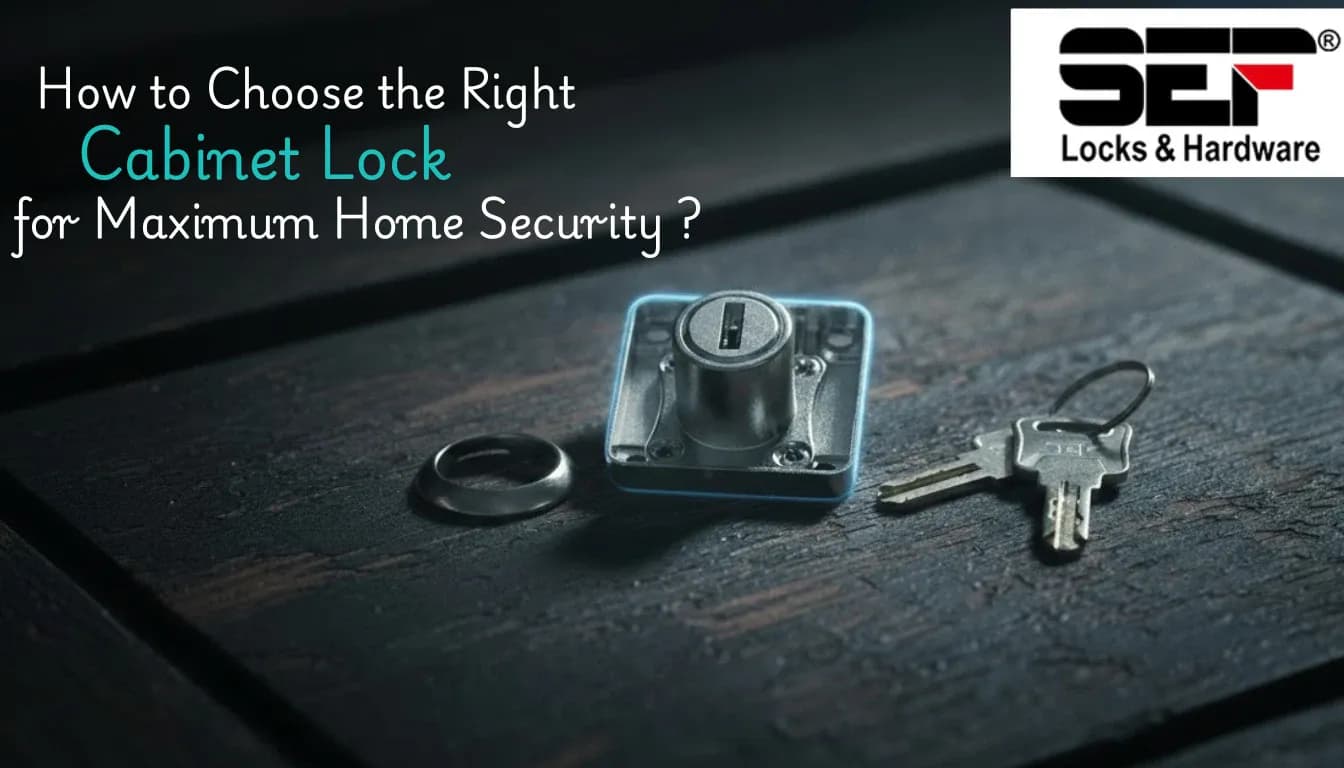
Choosing the right cabinet lock is more important than most people realize. Cabinets often hold valuables, medicines, chemicals, personal files, and sensitive items that require controlled access. A proper lock ensures these items remain protected, prevents misuse, and improves overall household safety. In 2025, cabinet locks have become more advanced and widely varied. To understand what works best for your home, you should consider the type of items stored, who needs access, the environment of the cabinet, and the level of privacy or security required. These points help you narrow down the right lock category quickly and accurately without confusion.
Why Choosing the Right Cabinet Lock Matters
The purpose of a cabinet determines the type of lock you need. Some cabinets store valuables, others store day-to-day items, and some hold dangerous materials like medicines or chemicals. Choosing the wrong lock can expose your belongings to theft, accidents, or unauthorized access.
To help you identify the right lock quickly, consider these points:
- What you are securing—documents, jewelry, medicines, tools, or electronics
- Whether children, guests, or staff have access to the space
- The value and sensitivity of the items
- Whether you prefer mechanical reliability or smart technology convenience
These factors directly influence which lock will be most effective for your household.
Different Types of Cabinet Locks
There are several types of cabinet locks available today, and each one is designed for a specific use. Cam locks are commonly used because they are simple, durable, and secure for everyday cabinets. Deadbolt cabinet locks provide extra strength for storing valuables. Latch locks work well for non-sensitive items. Child safety locks are essential for preventing children from accessing harmful substances. Smart cabinet locks are gaining popularity, offering fingerprint, password, RFID, or mobile-app access. Magnetic locks give a clean, hidden look and open using a magnetic key. RFID, biometric, and keypad locks are increasingly used in modern homes for advanced protection.
Key Factors to Consider Before Selecting a Cabinet Lock
When choosing a cabinet lock, several essential points help ensure you pick the correct one for your storage needs. The security level should be your first consideration, especially if you're protecting valuables. The cabinet’s material and thickness also help determine lock compatibility. Convenience is another important factor—if multiple people need access, keypad or RFID locks are more practical.
To simplify your selection, focus on:
- Required security level (low, medium, high)
- Cabinet material (wood, engineered wood, metal)
- User convenience (key, pin, card, fingerprint)
- Durability and resistance to tampering
- Installation method and space availability
These pointers help determine whether you need a simple lock or a high-security modern solution.
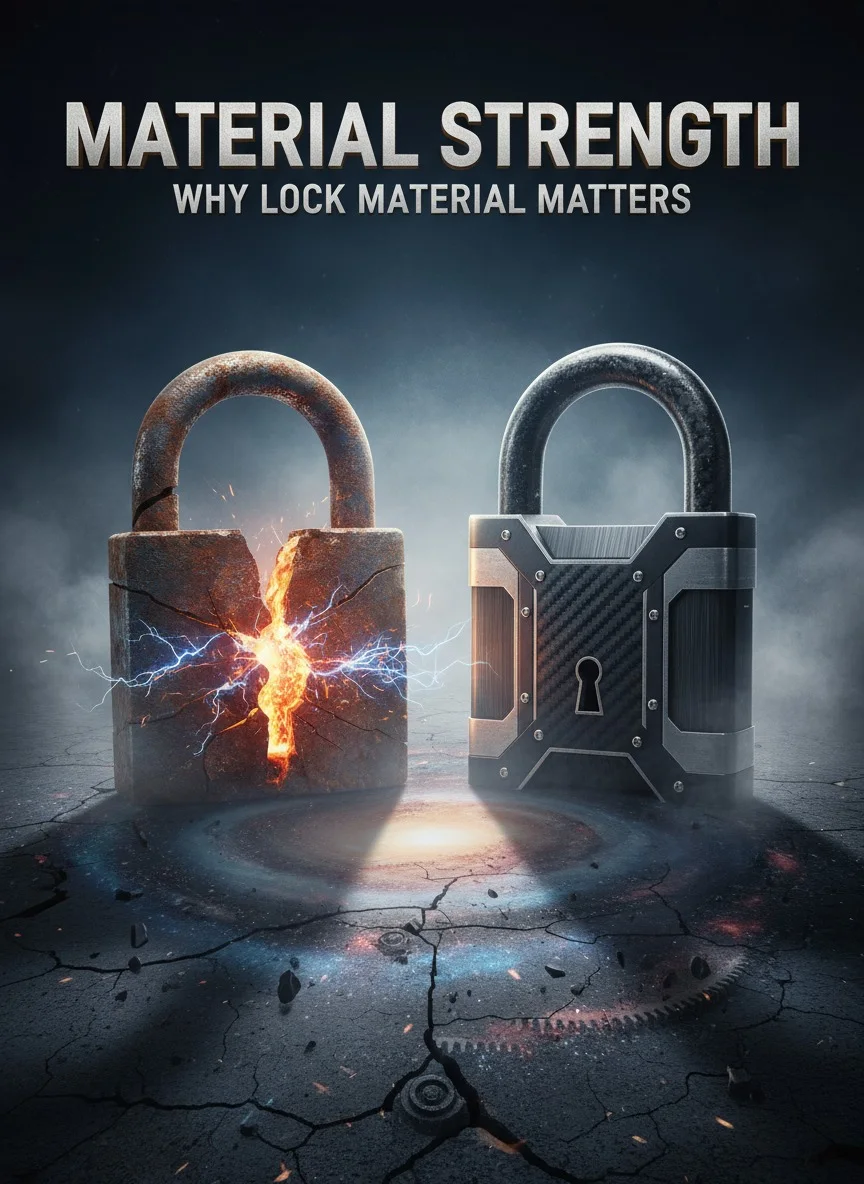
Material Strength: Why Lock Material Matters
The material used in the lock construction plays a major role in overall strength and long-term durability. Stainless steel offers excellent resistance to corrosion, bending, and forced entry. Brass locks provide smooth operation and long life for indoor cabinets. Zinc alloy locks balance strength and affordability. ABS and polymer locks are typically used for child safety because they prevent accidental access but don’t require heavy-duty security. Choosing the right material ensures you get long-lasting, reliable protection.
Mechanical vs. Smart Cabinet Locks
Mechanical locks are durable, low-maintenance, and reliable for everyday use. They do not depend on batteries and are ideal for basic security. Smart locks, however, offer higher convenience and advanced features such as fingerprint recognition, mobile app unlocking, password protection, and activity logs. They are especially useful when multiple users need controlled access. Your choice depends on whether you prefer simple operation or advanced security with modern automation.
Matching the Lock to Cabinet Purpose
For medicines and chemical storage, child safety locks are essential. For valuables such as jewelry or documents, biometric or keypad locks work best. Office cabinets storing sensitive files should use RFID or electronic locks. Kitchen cabinets with utensils may need only simple mechanical locks. Always match your lock choice to the cabinet’s purpose, frequency of access, and risk level.
Security Strength and Testing Standards in 2025
Modern locks undergo rigorous testing to ensure they can withstand tampering attempts. Look for locks tested for pick resistance, drilling resistance, impact resistance, and corrosion protection. Smart locks should also include digital encryption standards to prevent hacking or unauthorized access. These certifications guarantee that your cabinet lock meets current security expectations.
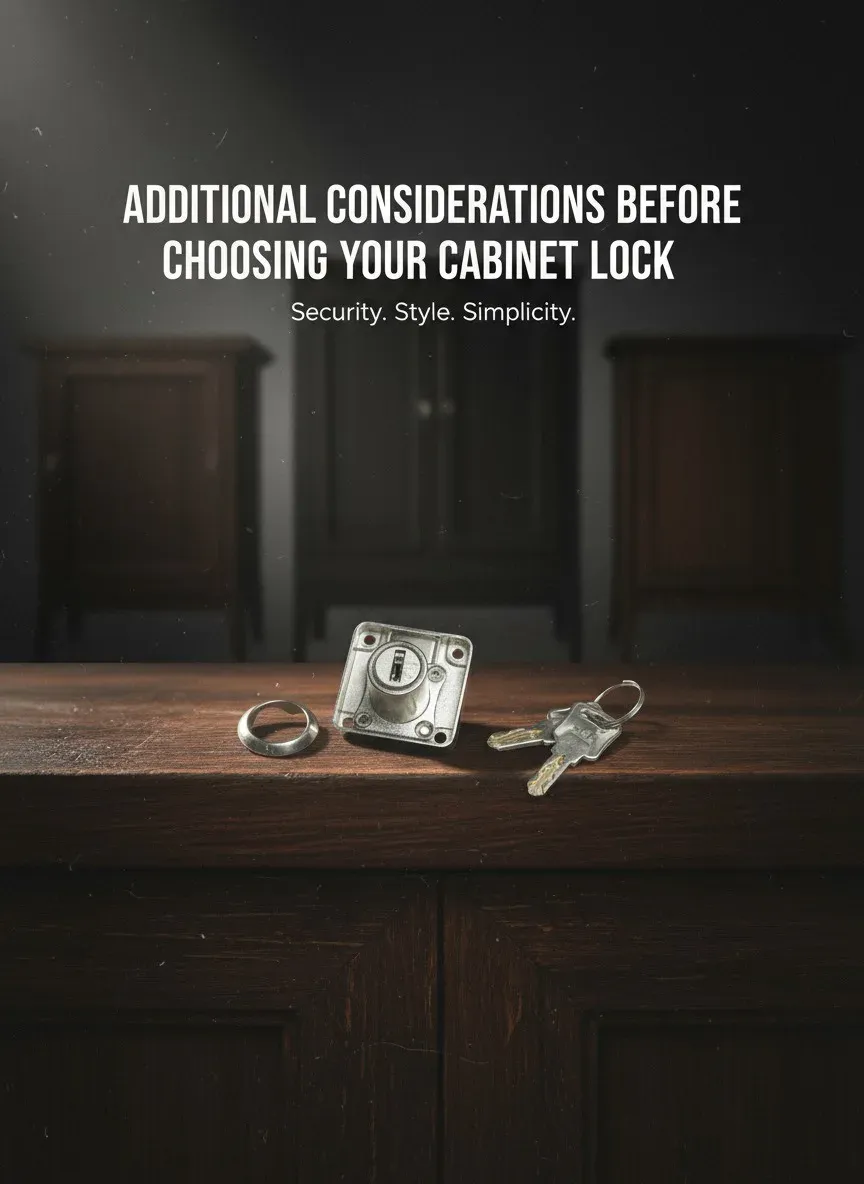
Additional Considerations Before Choosing Your Cabinet Lock
How often you use the cabinet should guide your lock choice. Daily-use cabinets need smooth, quick-opening locks, while rarely used cabinets can have stronger, more secure options.
The cabinet’s location also matters. Moist areas like kitchens or bathrooms need corrosion-resistant locks, while bedroom or office cabinets benefit from digital or biometric options for added privacy.
Installation and Maintenance Tips
Proper installation is crucial for ensuring the lock works effectively. Poor alignment or improper drilling weakens the lock’s security. Regular maintenance includes lubrication, checking for loose screws, cleaning dust from components, and updating firmware for digital locks. For smart locks, battery replacements should be done on time. When maintained properly, a good cabinet lock can last for many years.
Benefits of a High-Quality Cabinet Lock
A high-quality cabinet lock protects valuables, prevents unauthorized access, keeps children safe, and maintains privacy. It enhances the lifespan of your furniture and adds an extra layer of security to your home. In today’s digital-friendly homes, locks are an essential part of general safety and organization.
Contact Us
Need help choosing the perfect cabinet lock? Our experts are here to guide you with professional recommendations based on your cabinet type, security needs, and daily usage.
Contact us today for reliable, durable, and modern locking solutions tailored for maximum home safety.
Frequently Asked Questions
1. What is the best cabinet lock for valuables?
Biometric, keypad, and deadbolt-style locks offer the highest security for storing valuable items and sensitive documents.
2. Are smart cabinet locks reliable?
Yes, modern smart locks use encrypted technology, fingerprint sensors, and strong materials, making them highly reliable for home and office use.
3. Which lock should I choose for child safety?
Child safety magnetic locks or latch locks are best for preventing children from accessing dangerous or sensitive materials.
4. Can I install cabinet locks myself?
Basic locks can be self-installed, but smart or high-security locks often require professional installation for accurate alignment.
5. How long does a cabinet lock last?
A high-quality lock can last 5–10 years or more with proper care, lubrication, and timely battery replacements for smart models.