Choosing the Perfect Main Door Lock for Home Security
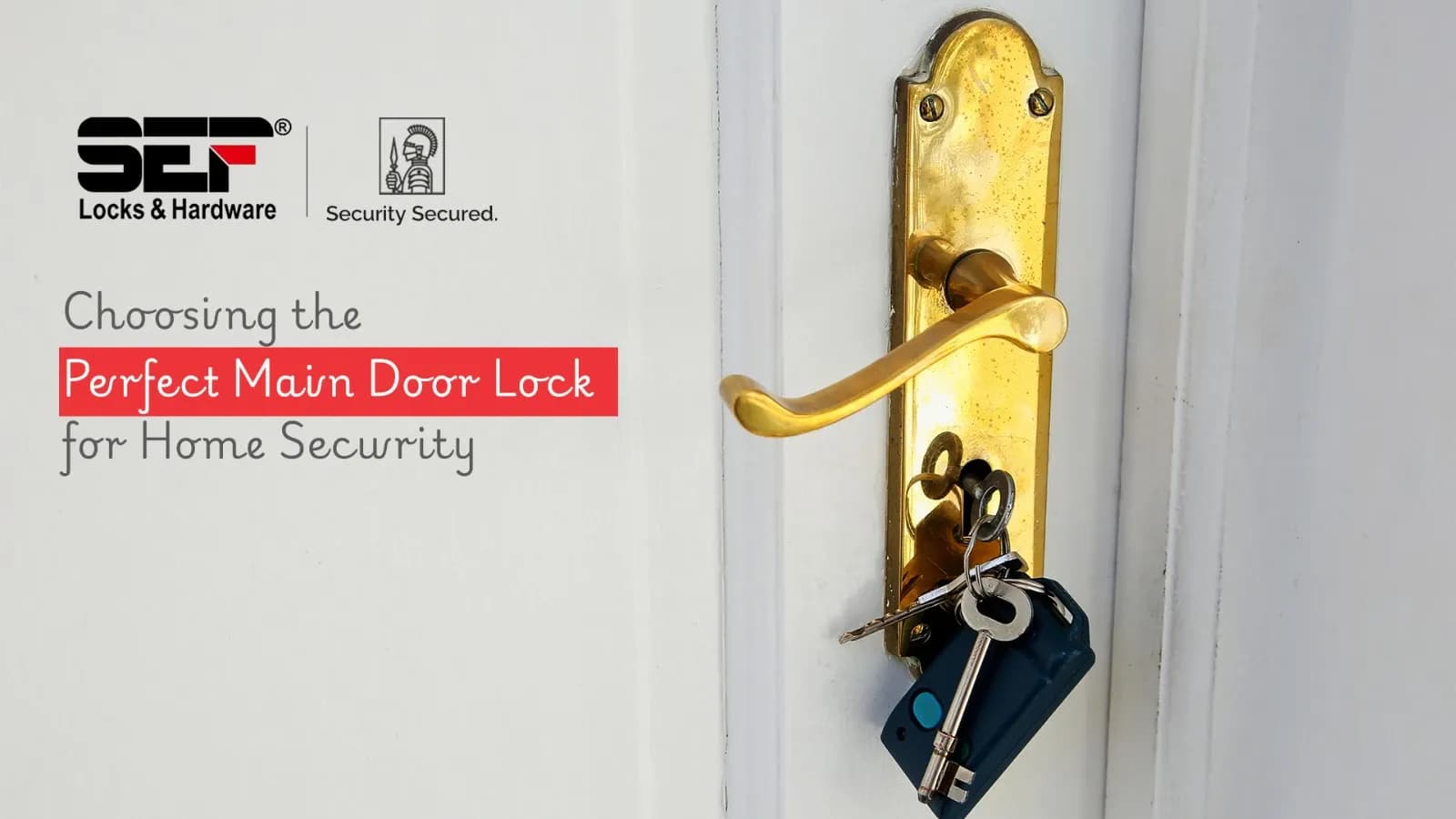
Your front door is more than just an entryway; it's the first line of defense for your family and possessions. While the door itself provides a physical barrier, the lock is the heart of your home's security system. The right lock offers not only peace of mind but also a significant contribution to your home’s overall design. With a vast array of mechanical lock designs available, it can be overwhelming to choose the perfect one. This guide will walk you through everything you need to know about main door lock designs for your home, focusing on aesthetics, security, and functionality.
The Foundation of Security: Understanding Different Lock Types
Before diving into aesthetics, it's essential to understand the basic types of mechanical locks. Each type offers a different level of security and is suited for specific door types and styles.
. Mortise Locks: The Traditional Powerhouse
Mortise locks are considered the gold standard in mechanical door security. A mortise lock is a self-contained unit that fits into a rectangular pocket, or "mortise," carved into the edge of the door.
How they work: The lock body, which houses the latch, deadbolt, and locking mechanism, is completely concealed within the door. The only visible parts are the lock trim (handles, knobs, and keyhole escutcheons) and the faceplate on the door's edge.
Security:Mortise locks are renowned for their strength and durability. They often feature a robust, heavy-duty latch and a separate deadbolt, offering two layers of security in one unit.
Aesthetics: Mortise locks offer unparalleled design flexibility. Since the lock mechanism is hidden, you can choose from a huge variety of handles, levers, and decorative plates. This allows for a clean, classic, or even ornate look that can perfectly match your home's architectural style.
Best for: Solid wood doors, heavy doors, and homes with a traditional or classic design aesthetic.
Cylindrical Locks: The Modern and Popular Choice
Cylindrical locks are the most common type of lock found on residential doors today. They are also known as bored locks because they require two holes to be bored through the door—one for the lock cylinder and one for the latch mechanism.
How they work: The lockset consists of a cylinder (either a knob or a lever) on the outside and a similar one on the inside. A latch mechanism is installed in the door's edge, and a connecting spindle runs through the door to the knobs/levers.
Security: Cylindrical locks come in various security grades. While generally not as robust as a mortise lock, a high-quality cylindrical lock with a strong deadbolt can provide excellent security for most homes.
Aesthetics:They are available in a wide range of finishes and styles, from simple, unadorned designs to more decorative options. Their popularity means there are countless choices to match any interior or exterior décor.
Types of Cylindrical Locks:
Key-in-knob lock:The key cylinder is located in the doorknob. These are often used for interior doors but can also be found on main doors, typically paired with a separate deadbolt for enhanced security.
Lever handle lock: A more ergonomic and modern alternative to the knob. Lever handles are easier to operate and can offer a sleek look.
Tubular Locks: A Simpler Alternative
Tubular locks are a variation of cylindrical locks but are generally simpler in their mechanism. They are often used for interior doors but some heavy-duty versions can be suitable for a main door, especially when combined with a deadbolt.
How they work:They operate with a spring-loaded latch and are typically installed by boring a single hole through the door.
Security: On their own, tubular locks offer a basic level of security. They are primarily designed for latching the door shut rather than providing robust security. For a main door, they should always be supplemented with a high-security deadbolt.
Aesthetics: Similar to cylindrical locks, they come in a variety of styles and finishes.
Rim Locks: The Surface-Mounted Classic
Rim locks are a type of lock that is mounted on the surface of the door, rather than being recessed into it. They are easily identifiable by their exposed body and are often associated with a rustic, vintage, or farmhouse aesthetic.
How they work:The lock body is screwed onto the inside face of the door. A key cylinder is inserted through a hole in the door and connected to the rim lock on the inside.
Security:The security of a rim lock depends heavily on the quality of the lock and the strength of the screws and door. They can be very secure if properly installed and of good quality.
Aesthetics: Rim locks have a distinct, old-world charm. They are excellent for restoring period homes or for adding a touch of rustic elegance to a modern space.
Deadbolts: The Indispensable Second Layer of Security
A deadbolt is arguably the most important component of your main door’s security. A deadbolt is a lock that is operated by a key or a thumb turn, and it does not have a spring-loaded latch. When engaged, the bolt extends deep into the door frame, providing a much higher level of resistance against forced entry than a standard latch.
How they work:The bolt is solid and cannot be pushed back into the door using a credit card or similar tool.
Types:
Single-cylinder deadbolt:Operated by a key from the outside and a thumb turn on the inside.
Double-cylinder deadbolt: Requires a key to operate from both the inside and the outside. While this offers high security from the outside, it can be a fire hazard as it prevents quick exit during an emergency.
Best for: Absolutely every main door. A deadbolt should always be paired with your primary lock (mortise, cylindrical, or tubular) for maximum security.
Material and Finish: Defining the Look
The material and finish of your lockset can dramatically alter the look and feel of your door.
Brass:A classic choice, brass offers a timeless, warm look. Polished brass is shiny and traditional, while antique or oil-rubbed brass provides a more rustic, aged appearance.
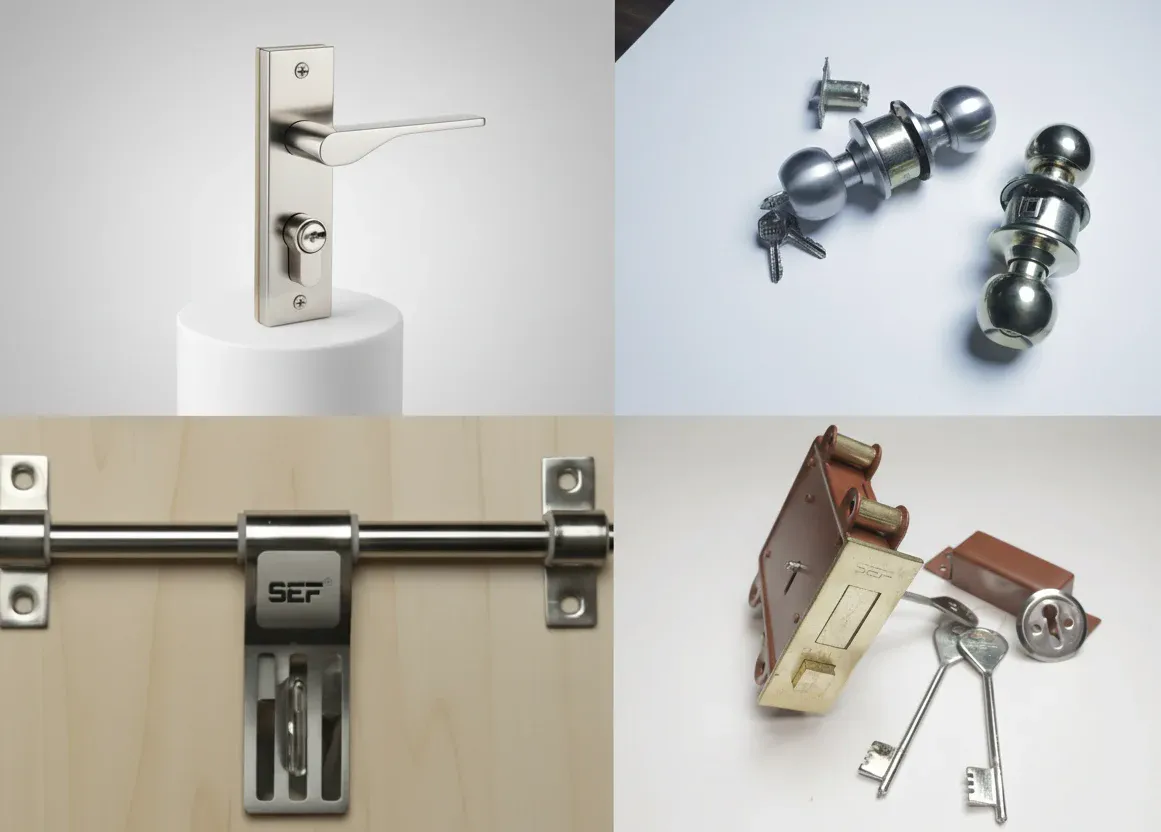
Stainless Steel:Modern, clean, and highly durable. Stainless steel is resistant to rust and corrosion, making it a great choice for both coastal and urban environments. It pairs well with contemporary and minimalist architectural styles.
Bronze: From oil-rubbed to aged, bronze offers rich, dark tones that can be rustic, traditional, or even sleek and modern depending on the style.
Iron: For a truly rustic or vintage look, wrought iron provides a heavy, textured feel that can add character to any entryway.
Nickel: Brushed or satin nickel offers a softer, more subtle alternative to stainless steel, with a cool, silvery tone.
Style and Form Factor: Handles vs. Knobs
The choice between a handle and a knob is not just about aesthetics—it's also about ergonomics and accessibility.
Knobs:A traditional choice, knobs are timeless and can fit into any design style. They are a classic option for a reason, offering a simple, clean look. However, they can be difficult to operate for people with arthritis or limited hand mobility.
Levers/Handles:Levers are gaining popularity due to their ease of use and modern aesthetic. They are particularly beneficial for those with mobility issues. They come in a vast range of designs, from sleek, minimalist bars to ornate, decorative levers.
Escutcheon Plates: The decorative plate that surrounds the handle or knob. Escutcheons can be round, square, or elongated, and can be highly decorative. Choosing the right escutcheon plate is key to defining the style of your lockset.
Sizing and Proportions: A Crucial Detail
The size of your lockset and its components should be in proportion to your door and the surrounding entryway. A large, ornate handle can look out of place on a narrow door, just as a small, minimalist knob can get lost on a grand, wide door. Pay attention to the scale of the lock, the handle, and the escutcheon to ensure a harmonious design.
Security Grades: A Key to Peace of Mind
The American National Standards Institute (ANSI) and Builders Hardware Manufacturers Association (BHMA) have established a grading system to help consumers assess the security and durability of locks.
Grade 1 The highest level of security and durability. These locks are built to withstand heavy use and are highly resistant to forced entry. They are the best choice for a main door.
Grade 2: A good balance of security and affordability. These locks are suitable for residential use and offer a strong level of protection.
Grade 3:The lowest level of security. These are best used for interior doors or areas with minimal security concerns.
For your main door, always choose a lock that is at least a Grade 2, with a Grade 1 deadbolt being the ideal choice.
4Putting It All Together: Designing Your Entryway
Choosing a main door lock is about creating a cohesive look that reflects your personal style.
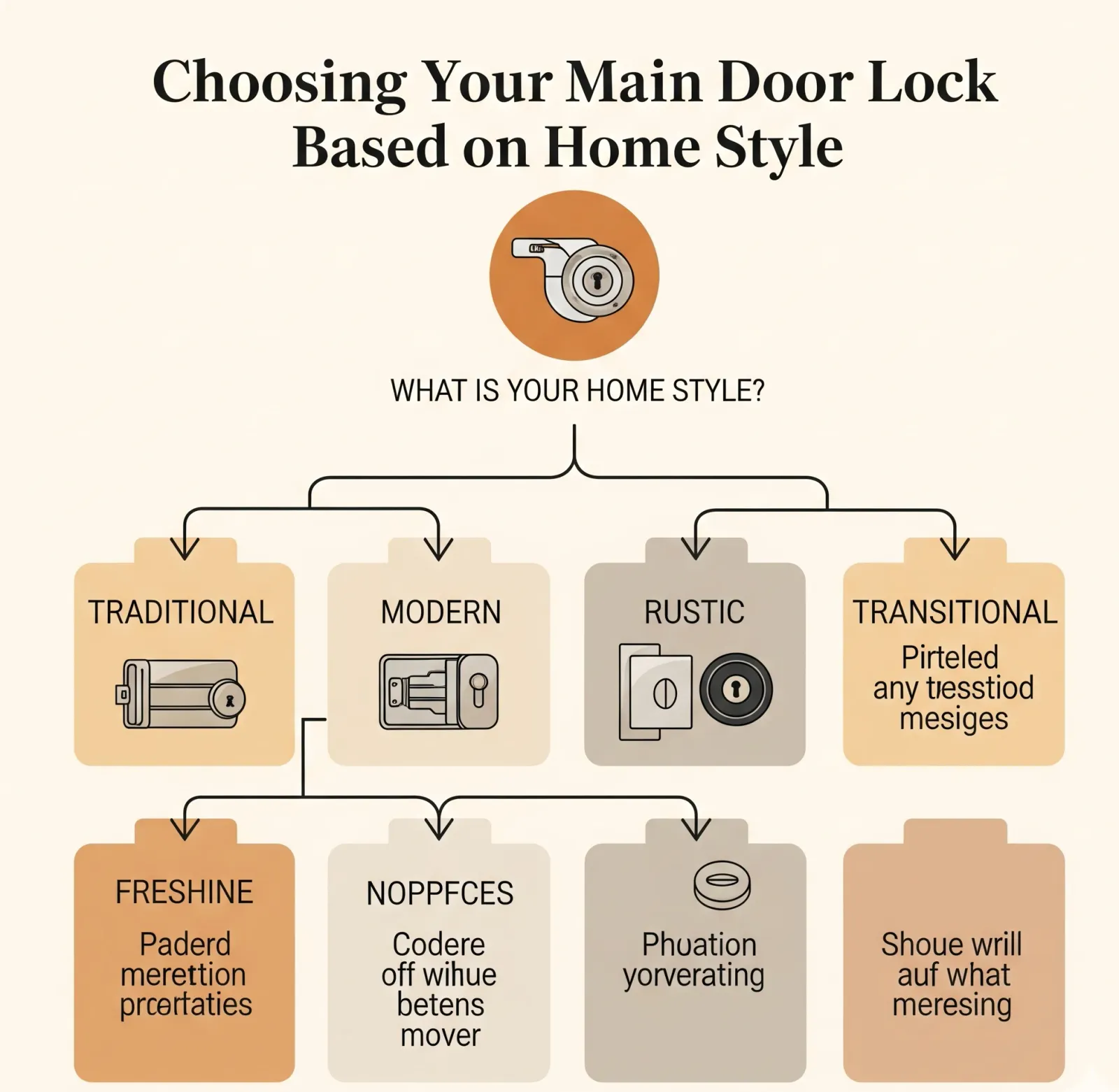
Traditional Homes: For a classic look, consider a mortise lock with an ornate brass or bronze handle set. The intricate detailing and substantial feel of a mortise lock will perfectly complement the character of an older home.
Modern Homes: A clean-lined, cylindrical lock with a stainless steel or satin nickel lever is an excellent choice. The simple design and cool tones will complement the minimalist aesthetic of modern architecture. Pair it with a simple, high-security Grade 1 deadbolt.
Rustic or Farmhouse Homes: A rim lock with a heavy iron body or an aged bronze handle set can add a touch of rustic charm. Consider a lock with visible screws and a distressed finish to enhance the look.
Transitional Homes:For a home that blends classic and modern elements, a versatile cylindrical lock with a brushed nickel or satin brass finish can be a great fit. Choose a handle design that has a clean silhouette but with some subtle detailing.
FAQs About Main Door Locks
1: Can I install a main door lock myself?
A:Installing a lock, especially a mortise or cylindrical lock, requires precision drilling and proper alignment. While a confident DIYer with the right tools can manage it, for optimal security and to ensure the lock functions correctly, it is often best to hire a professional locksmith or carpenter.
2: What is the difference between a privacy lock and a passage lock?
A: A privacy lock (typically used for bedrooms and bathrooms) has a push-button or thumb-turn lock on the inside but no key cylinder on the outside. A passage lock (for closets or hallways) has no locking mechanism at all; it simply has a latch. Neither is suitable for a main door.
3: How do I know if my lock is secure?
A:Look for the ANSI/BHMA security grade on the packaging. A Grade 1 or Grade 2 lock is considered secure for a residential main door. Also, check for a solid, long deadbolt and a robust material construction.
4: Do all locks come with the same key type?
A:No. There are several key types, including pin tumbler, wafer, and disc tumbler. The most common and secure for residential use is the pin tumbler lock, but different manufacturers have their own specific key cuts.
5: How do I maintain my main door lock?
A Keep the keyway clean and lubricate it occasionally with a graphite-based lubricant. Avoid using oil-based lubricants as they can attract dust and dirt, which can gum up the mechanism over time.