
Premium Door Handle Lock: The Ultimate Guide to Style & Security
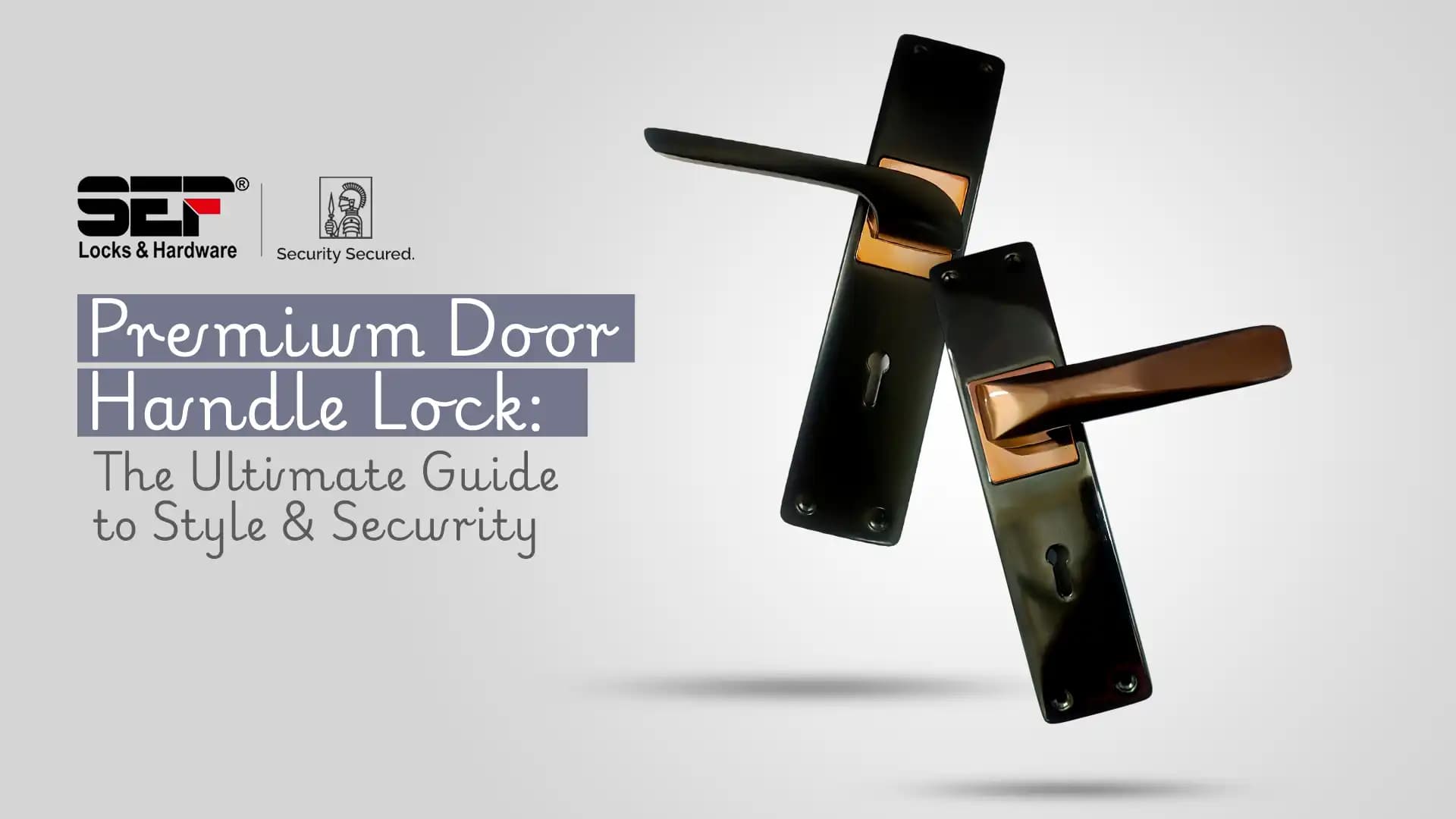
A door handle is the first physical touchpoint anyone has with your home or office. It's a handshake that precedes entry, setting the tone for the space within. While any handle can open a door, a premium door handle lock does so much more. It's an investment in unparalleled security, a statement of sophisticated style, and a commitment to quality that you can feel every single day.
But what truly elevates a door handle lock to "premium" status? This ultimate guide will walk you through every detail, from superior materials and advanced security mechanisms to design considerations and maintenance, ensuring you choose a lock that is both a guardian and a jewel for your doors.
What Defines a "Premium" Door Handle Lock?
The premium label isn't just about price; it's about a convergence of four critical pillars:
- Superior Materials: Mass-market locks often use plated zinc alloys. Premium hardware is crafted from solid, substantial materials.
- Solid Brass: The gold standard for classic luxury. It's heavy, corrosion-resistant, and can be finished in countless ways, from polished chrome to antique bronze.
- Stainless Steel (Grade 304/316): The epitome of modern durability. It is exceptionally resistant to rust, scratches, and corrosion, making it ideal for both interior and exterior doors, especially in coastal areas.
- Bronze: A "living" material that develops a unique patina over time, bronze offers a rich, warm, and timeless appeal for rustic or traditional architecture.
- Advanced Security Mechanisms: A premium lock's primary job is to protect. This means going beyond basic pin-tumbler cylinders.
- Mortise Locks: Considered the pinnacle of residential and commercial lock security. The lock body is installed into a deep pocket (a mortise) in the door's edge, creating a much stronger and more integrated system than a standard cylindrical lock. They often feature multiple locking points and robust deadbolts.
- High-Grade Cylinders: Premium locks feature complex, precision-engineered cylinders that are resistant to picking, drilling, and bumping. Look for locks with 6 or more pins and security features like hardened steel inserts.
- ANSI/BHMA Certification: The American National Standards Institute (ANSI) and Builders Hardware Manufacturers Association (BHMA) grade locks on security, durability, and finish. A Grade 1 rating is the highest commercial-grade standard, signifying the lock has withstood the most rigorous testing. Most premium residential locks meet or exceed Grade 2 standards.
- Exquisite Design & Craftsmanship: This is where artistry comes into play. Premium handles are often designed by renowned architects or industrial designers. The lines are cleaner, the ergonomics are superior, and the finish is flawless. Every component, from the lever to the backplate, is meticulously crafted and assembled for a perfect, wobble-free feel.
- Exceptional Durability & Finish: A premium finish is designed to last a lifetime. Many high-end manufacturers use PVD (Physical Vapor Deposition) finishing. This advanced process bonds the finish to the base metal at a molecular level, creating a surface that is incredibly resistant to tarnishing, fading, and scratching—far superior to standard powder coating or lacquering.
Types of Premium Door Handle Locks
While the options are vast, they generally fall into these categories:
- Lever Handle on Rose/Backplate: This is the most popular style in modern premium hardware. A lever handle is mounted on a circular "rose" or a rectangular "backplate." It's an ergonomic choice that is compliant with accessibility standards.
- Mortise Lock Sets: This is a complete system that includes the handle (lever or knob), the lock body that fits inside the door, the strike plate for the frame, and the keyed cylinder. They provide a cohesive look with unmatched security and a satisfyingly smooth, solid operational feel.
A Deep Dive into Materials and Finishes
Choosing the right material and finish is crucial for achieving your desired aesthetic and ensuring longevity.
Material | Pros | Best For | Popular Finishes |
Solid Brass | Heavy feel, antimicrobial, classic look | Traditional, transitional, and luxury modern homes | Polished Chrome, Satin Nickel, Antique Brass |
Stainless Steel | Extremely durable, corrosion-proof, modern | Contemporary, minimalist, industrial, coastal properties | Brushed Stainless, Polished Stainless, Matte Black |
Bronze | Develops a unique patina, warm aesthetic | Rustic, Mediterranean, and historic architectural styles | Oil-Rubbed Bronze, Satin Bronze, Dark Bronze |
Pro Tip: When choosing a finish, consider your home's overall design palette. Matte Black is a dominant trend for a bold, modern statement, while Satin Brass offers a warm, soft-gold look that bridges classic and contemporary styles.
The Buyer's Checklist: How to Choose the Perfect Lock
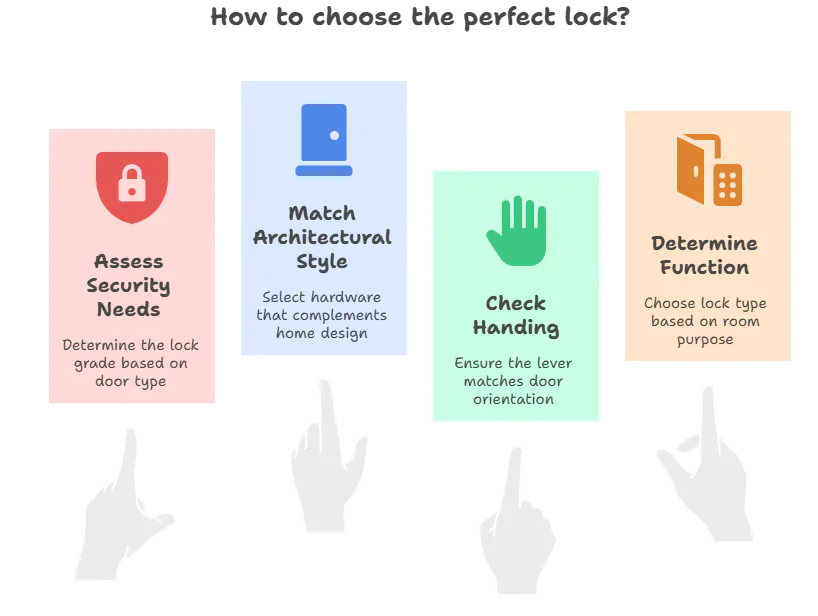
- Assess Security Needs: Is this for a front door or an interior bedroom? For exterior doors, a Grade 1 or 2 certified mortise lock is the best investment.
- Match Your Architectural Style: The hardware should be a cohesive part of the design. A sleek stainless steel lever suits a modern home, while an ornate bronze set complements a traditional one.
- Check the "Handing": Levers are either right-handed or left-handed. To determine your door's handing, stand outside the door. If the hinges are on your left, it’s a left-hand door. If they're on your right, it’s a right-hand door. Many premium locks are reversible, but always check.
- Determine the Function:
- Entry (Keyed): For exterior doors. Locked with a key from the outside and a turn-button on the inside.
- Privacy: For bedrooms and bathrooms. Locks from the inside with a turn-button, with a universal pin for emergency unlocking from the outside.
- Passage: For hallways and closets. A non-locking handle that simply latches.
- Dummy: A stationary handle used on closet doors where only a pull is needed.
Installation and Maintenance for Lasting Elegance
- Installation: Due to the precision required, especially for mortise locks, professional installation is highly recommended. An improper installation can compromise both the security and the smooth operation of the lock.
- Maintenance:
- Clean your hardware with a soft, damp cloth and mild soap. Avoid harsh chemicals or abrasive cleaners, which can damage the protective finish.
- Periodically check that all screws are tight, as they can loosen over time with use.
- Lightly lubricate the latch and deadbolt mechanism once a year with a dry graphite or silicone-based lubricant to ensure smooth operation.
Conclusion: An Investment in Everyday Excellence
Choosing a premium door handle lock is about more than just securing a door. It's about investing in the details that elevate a house into a home. It's the assurance of robust security, the pleasure of a solid and smooth mechanism, and the visual beauty that greets you and your guests every day. By focusing on superior materials, advanced security, and timeless design, you select a piece of functional art that will deliver performance and pride for decades to come.
Contact Us
Need help choosing the perfect premium door handle lock? Our team of hardware experts is here to offer personalized advice and guide you to the best options for your home or project. Contact us today
Q1: What defines a "premium" door handle lock compared to a standard one
A premium door handle lock goes beyond basic functionality, focusing on superior materials (solid brass, stainless steel, bronze), advanced security mechanisms (mortise locks, high-grade cylinders, ANSI/BHMA certifications), exquisite design and craftsmanship, and exceptional durability with long-lasting finishes like PVD.
Q2: What are the key materials used in premium door handle locks?
The primary materials include:
- Solid Brass: Known for classic luxury, heavy feel, and corrosion resistance.
- Stainless Steel (Grade 304/316): Offers extreme durability, rust, and scratch resistance, ideal for modern and coastal properties.
Bronze: A "living" material that develops a unique patina, offering a warm and timeless appeal.
Q3: What security features should I look for in a premium door handle lock?
Look for:
- Mortise Locks: Considered the most secure, providing a strong, integrated system within the door.
- High-Grade Cylinders: Complex, precision-engineered cylinders resistant to picking, drilling, and bumping, ideally with 6 or more pins.
ANSI/BHMA Certification: A Grade 1 rating indicates the highest commercial-grade standard for security and durability.
Q4: What are the common types of premium door handle locks? The most common types are:
- Lever Handle on Rose/Backplate: Popular in modern hardware, ergonomic, and accessibility-compliant.
Mortise Lock Sets: A complete system including the handle, lock body, strike plate, and keyed cylinder, offering unmatched security and a cohesive look.
Q5: How do I choose the right finish for my premium door handle lock?
Consider your home's overall design palette. Popular finishes include Polished Chrome, Satin Nickel, Antique Brass (for brass); Brushed Stainless, Polished Stainless, Matte Black (for stainless steel); and Oil-Rubbed Bronze, Satin Bronze, Dark Bronze (for bronze). Matte Black and Satin Brass are current trends.
Q6: What is "handing" and why is it important when choosing a lever handle?
"Handing" refers to whether a lever is right-handed or left-handed. To determine, stand outside the door: if hinges are on your left, it's left-hand; if on your right, it's right-hand. Many premium locks are reversible, but it's always good to check.
Q7: What are the different functions of door handle locks?
- Entry (Keyed): For exterior doors, locks with a key from outside and a turn-button inside.
- Privacy: For bedrooms/bathrooms, locks from inside with a turn-button, with an emergency unlock pin from outside.
- Passage: For hallways/closets, non-locking, simply latches.
Dummy: Stationary handle used for pulling only on closet doors.
Q8: Is professional installation necessary for premium door handle locks?
A8: Yes, professional installation is highly recommended, especially for mortise locks, due to the precision required. Improper installation can compromise security and operation.
Q9: How should I maintain my premium door handle locks?
- Clean with a soft, damp cloth and mild soap; avoid harsh chemicals.
- Periodically check and tighten all screws.
Lightly lubricate the latch and deadbolt mechanism annually with a dry graphite or silicone-based lubricant.
Q10: Why should I invest in a premium door handle lock?
It's an investment in robust security, the pleasure of a solid and smooth mechanism, and the visual beauty that enhances your home's aesthetic, offering performance and pride for decades.