
Beyond the Basic Lock: Upgrading Your Door Security with Tower Bolts
In a world where security is paramount, many homeowners still rely on a single, primary lock—be it a simple doorknob or a deadbolt—to stand guard between their family and the outside world. This is a common mistake, born from a belief that a single, robust lock is sufficient. However, for a determined intruder, a single point of failure is all it takes. The truth is, a truly secure home is not a fortress with one impenetrable gate; it is a system of layered defenses, where each barrier supports and reinforces the next.
This guide from SEF goes beyond the basic lock to introduce you to a simple yet incredibly effective tool in your home security arsenal: the tower bolt. Far from being an old-fashioned accessory, the humble tower bolt, when chosen correctly and installed strategically, acts as a formidable second line of defense. It’s a physical deterrent that can buy you precious time, thwart a break-in, and provide an essential layer of peace of mind. This article will serve as your ultimate resource, exploring the a-to-z of tower bolts—from their diverse types and materials to their crucial role in a holistic security strategy—providing you with the knowledge to fortify your home like never before with SEF's trusted products.
The Unseen Vulnerabilities of a Single Lock
Before we can appreciate the value of an SEF tower bolt, we must first understand the limitations of a single-lock system. A standard lock, whether a knob lock or even a deadbolt, secures the door at a single point. This makes it vulnerable to a range of common break-in methods:
- Lock Picking: A skilled intruder can manipulate the pins within the lock cylinder to bypass it entirely, leaving no trace of forced entry.
- Lock Bumping: A particularly insidious method that uses a specially cut key to "bump" the pins into place, momentarily allowing the lock to turn. It is quick, quiet, and requires minimal skill.
- Forced Entry (Prying): Intruders often use a pry bar to apply force between the door and the frame, targeting the single point of the latch or deadbolt. With enough leverage, the bolt can be ripped from the door frame, or the frame itself can be split.
- Drilling: A power drill can be used to destroy the lock cylinder, rendering it useless.
In each of these scenarios, the reliance on a single locking mechanism leaves your home exposed. A tower bolt, however, operates on a completely different principle, adding a physical barrier that is immune to these methods. It is the simple, brute force solution to the sophisticated or forceful attack.
The SEF Tower Bolt: A Deeper Dive into a Simple Solution
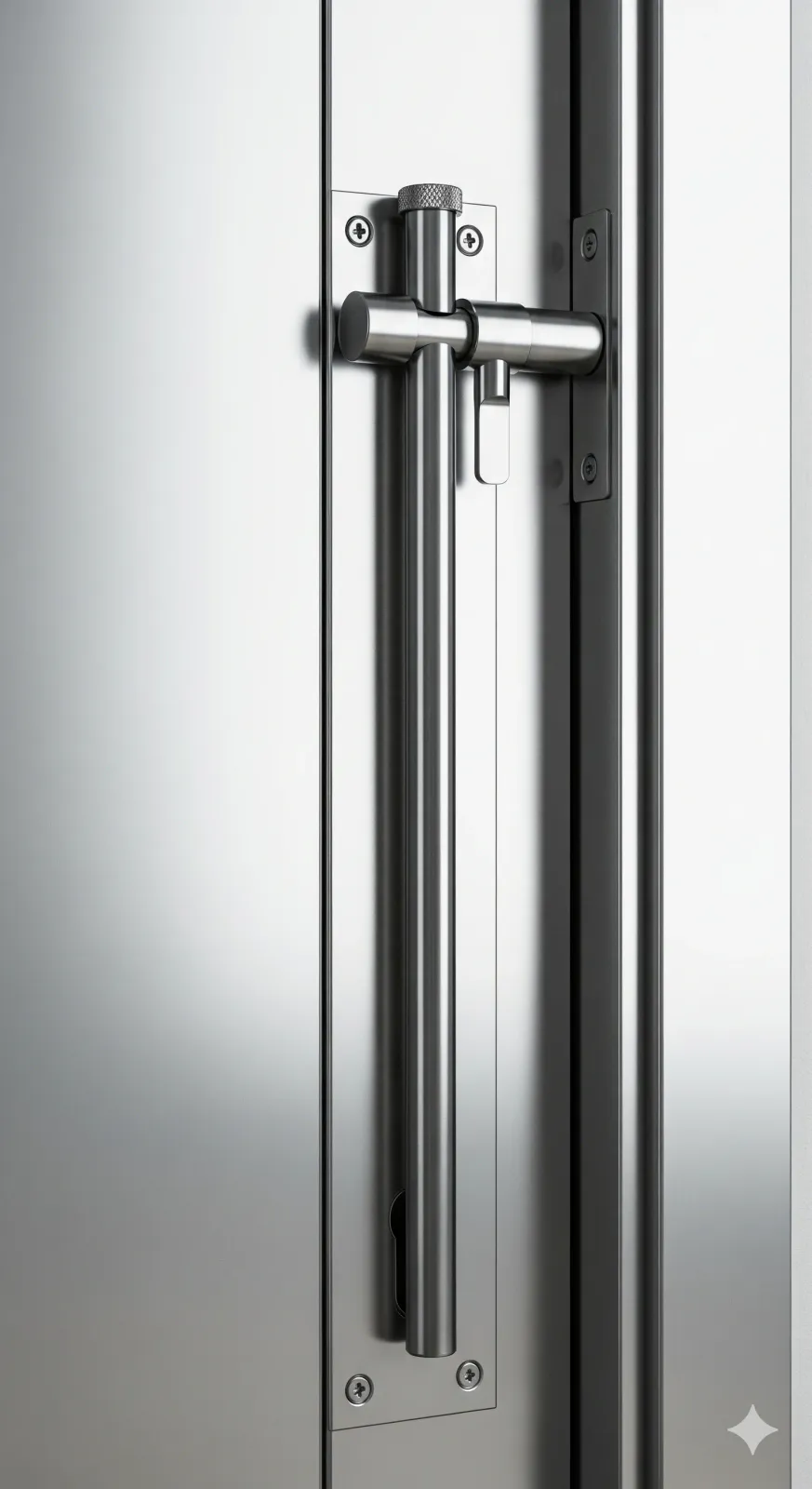
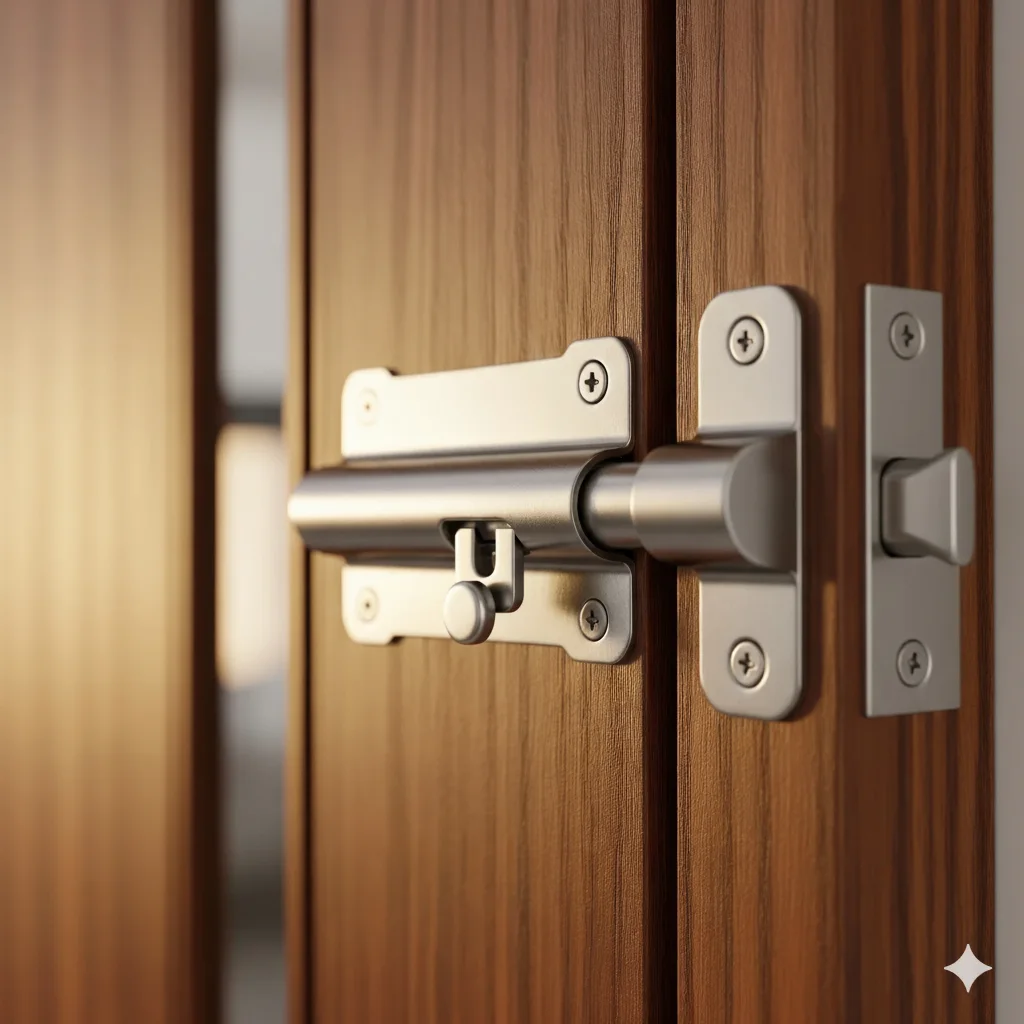
An SEF tower bolt is essentially a sliding bolt that secures a door from the inside by extending into a receiving plate mounted on the door frame. While the concept is straightforward, the security it provides is anything but. It adds a powerful physical lock that, unlike a deadbolt, is not dependent on the integrity of a lock cylinder.
The Physics of Its Security
The primary function of an SEF tower bolt is to create a second, separate point of anchorage for the door. When engaged, the bolt's solid metal rod extends deep into the door frame, making it impossible to open the door from the outside. The only way to defeat it is through sheer destructive force—force that would have to destroy the door or frame itself, creating so much noise and damage that it would be a major deterrent. This is its key advantage: it is a visible, physical barrier that warns intruders of a difficult and loud task ahead.
A Look at the Different Types of SEF Tower Bolts
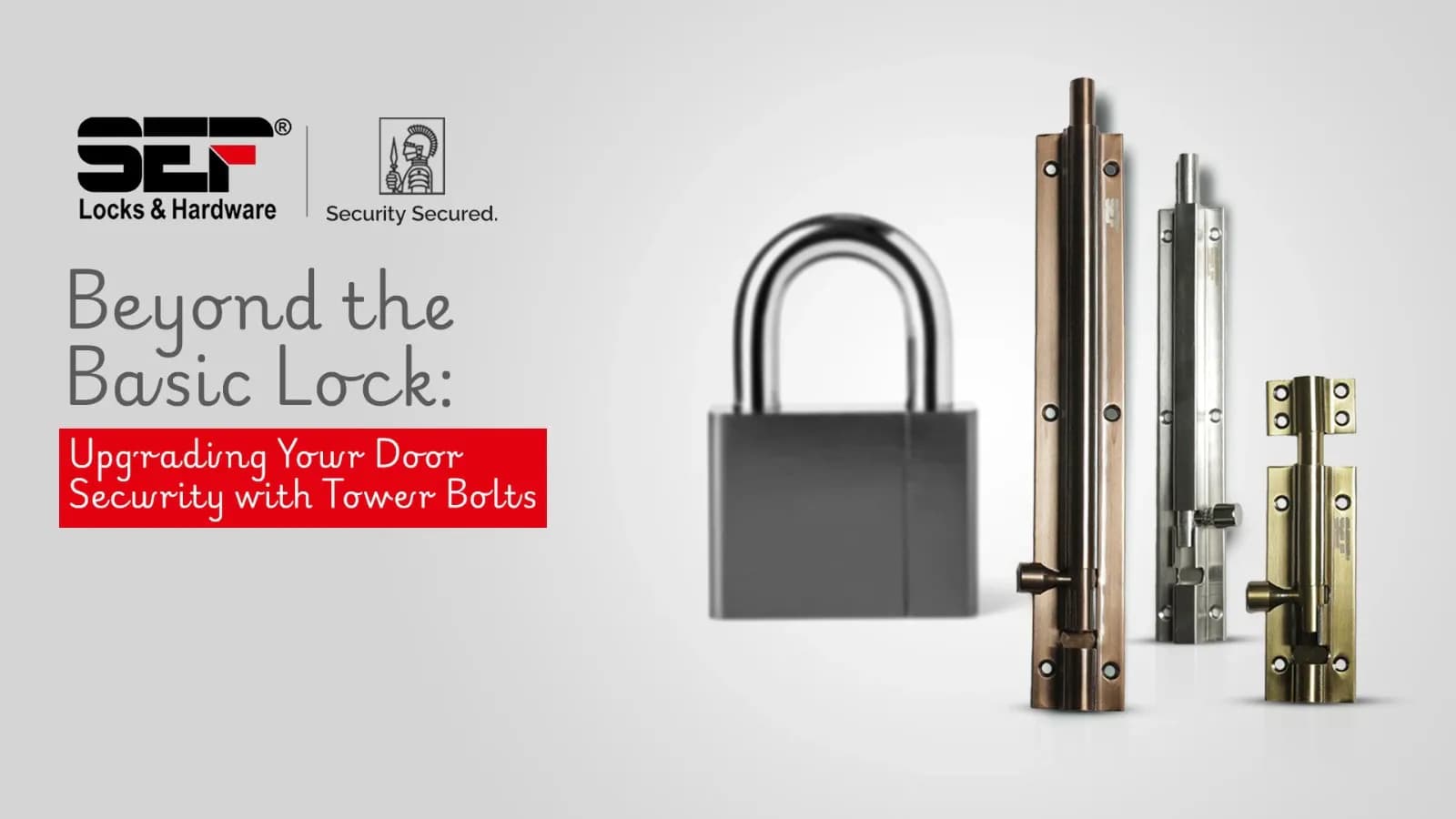
Not all tower bolts are created equal. SEF offers a variety of designs, each suited to a specific purpose. Understanding these types is the first step to choosing the right one for your security needs.
1. Barrel Bolts (Sliding Bolts)
This is the most common and recognizable type of tower bolt. It consists of a simple barrel (the housing) and a sliding bolt.
- Best For: Standard doors, sheds, and gates. They are versatile and easy to install.
- Security Feature: Provides a strong secondary lock, making it difficult to force or pry the door open. The effectiveness is highly dependent on the quality of the material and the length of the bolt, which SEF guarantees in its products.
2. Flush Bolts (Concealed Bolts)
SEF's flush bolts are designed for aesthetic appeal. They are mortised directly into the edge of a door, making them invisible when the door is closed. They are most often used on the inactive leaf of a double door, keeping it securely locked while the active door is in use.
- Best For: French doors, double doors, and doors where aesthetics are a priority.
- Security Feature: The concealed design makes it impossible for an intruder to tamper with the bolt from the outside. It reinforces the door from top to bottom, preventing the inactive leaf from being forced open.
3. Espagnolette Bolts (Cremone Bolts)
SEF's espagnolette bolts are a more sophisticated, decorative form of a tower bolt, often used on French doors or large windows. A single handle or knob operates two bolts simultaneously, one at the top and one at the bottom, providing multi-point locking with a single turn.
- Best For: Large doors, windows, and elegant designs where a single-action lock is desired.
- Security Feature: Provides robust, multi-point locking that distributes the security load across the entire height of the door, making it highly resistant to prying and forcing.
4. Automatic Bolts (Spring-Loaded Bolts)
These are a modern take on the traditional tower bolt. They are spring-loaded and automatically latch into place when the door is closed. They can be disengaged with a simple lever or push mechanism.
- Best For: Convenience and added security on doors that are frequently used, such as interior doors leading to a garage or a basement.
- Security Feature: They provide a passive, always-on security layer, ensuring the door is secured without the need for manual locking.
5. Skeleton Bolts (Surface-Mounted)
SEF's skeleton bolts are a heavy-duty, surface-mounted alternative, often used on commercial or industrial gates and doors. They are designed for maximum strength and visibility.
- Best For: High-security applications on heavy wooden or metal doors, and gates.
- Security Feature: Their robust, visible design and often larger size serve as a powerful visual deterrent. When made of solid steel, they can withstand significant force.
Building a Layered Security System: The Role of the Tower Bolt
A tower bolt is not a replacement for a primary lock; it is a critical supplement. The most effective home security strategy is a layered one, where each component works together to create a difficult and time-consuming gauntlet for an intruder. SEF specializes in providing products for each of these layers.
Layer 1: The Primary Lock
This is your first line of defense. For external doors, this should be a high-quality, Grade 1 deadbolt or a multi-point locking system from SEF. These locks are designed to resist picking, drilling, and bumping.
Layer 2: The SEF Tower Bolt
This is your second line of defense and a crucial physical deterrent. When you are home, especially at night, or when you leave for an extended period, engaging an SEF tower bolt adds an insurmountable physical barrier. An intruder who has bypassed the primary lock would then be faced with a loud and destructive task to get through the tower bolt—a risk most are unwilling to take.
Layer 3: Door Reinforcement
To make the entire system stronger, you can add reinforcement hardware from SEF. This includes:
- Door Reinforcement Plates: These are metal plates that strengthen the area around the lock, preventing the wood from splitting under force.
- Security Chains and Door Viewers: A security chain allows you to partially open the door to see who is outside, while a door viewer provides a clear, safe view without opening the door at all.
By combining these layers, you create a system where each component protects the others, turning your door from a single point of entry into a multi-stage security checkpoint.
A Practical Guide to Choosing and Installing an SEF Tower Bolt
Choosing the Right Bolt
- Material: The durability of an SEF tower bolt is a point of pride. We use only solid stainless steel or brass. These materials are corrosion-resistant and incredibly strong. Avoid cheap, hollow, or lightweight alternatives.
- Size: The length and diameter of the bolt's rod matter. A thicker, longer rod provides greater security. For a main door, choose a bolt with a rod of at least 10mm in thickness and an appropriate length to secure the door firmly.
- Finish: SEF tower bolts come in a variety of finishes (chrome, matte black, antique brass) to match your existing door hardware and aesthetics.
Installation and Maintenance
While installing a tower bolt may seem simple, professional installation is highly recommended, especially for expensive or custom doors. SEF's expert installation team ensures your new bolt is a security asset, not a weakness.
- Proper Alignment: The bolt must be perfectly aligned with the receiving plate to function correctly. A misalignment can make it difficult to engage and can weaken the entire system.
- Secure Fastening: The bolt housing and receiving plate must be secured with long, heavy-duty screws that go deep into the door frame.
- Regular Maintenance: Check the bolt periodically for wear and tear. Lubricate the sliding mechanism with a suitable dry lubricant to ensure smooth operation.
Beyond the Hardware: A Holistic Security Mindset with SEF
While hardware upgrades are essential, they are part of a larger security mindset that SEF champions. A holistic approach to home security also includes:
- Visible Deterrents: SEF provides signs for security systems, motion-activated lighting, and security cameras that can deter intruders before they even approach your door.
- Maintaining the Perimeter: Keep hedges and shrubs trimmed to eliminate hiding spots near doors and windows.
- Smart Security Integration: SEF's modern security systems and smart locks can be integrated with your layered hardware, providing remote monitoring, alerts, and access control.
The SEF tower bolt, in this context, is the physical embodiment of a proactive security mindset. It is a commitment to not just reacting to a security threat, but to preventing it from ever happening.
Conclusion: Securing Your Peace of Mind with SEF
The journey to a truly secure home begins with a shift in perspective—from a reliance on a single lock to the adoption of a layered, multi-component security strategy. The SEF tower bolt, in its elegant simplicity and unwavering strength, is a powerful tool in this strategy. It is more than just a piece of hardware; it is a physical commitment to your family's safety. By choosing the right type of bolt, ensuring it is properly installed, and integrating it with other security measures, you can elevate your door security beyond the basic lock and gain the most valuable asset of all: peace of mind, provided by SEF.
Contact Us
Ready to secure your home or business with a name you can trust? Our team of security experts is here to guide you. From product selection to professional installation and after-sales support, SEF offers a seamless and reassuring experience. Visit our website, call our toll-free number, or stop by one of our authorized showrooms to explore our full range of innovative security solutions. Let SEF be your partner in building a safer, more secure future.
Website:https://seflocks.com/
Phone: +91+919875588736
Email: tecmarkcombines148@gmail.com
Frequently Asked Questions (FAQs)
Q1: Is a tower bolt from SEF a substitute for a main lock?
A: No. A tower bolt is an essential secondary lock. It provides a crucial second layer of defense, but it should always be used in conjunction with a high-quality primary lock, such as a deadbolt, to provide complete security.
Q2: Can I install a tower bolt myself?
A: While it is possible to do a DIY installation, we at SEF highly recommend professional installation. Proper alignment and secure fastening are critical to the bolt's effectiveness. An improperly installed bolt can be a weak point in your security system.
Q3: Are tower bolts only for main doors?
A: While they are most critical for main doors, SEF tower bolts can be used on a variety of doors and windows, including internal doors, shed doors, and gates. Flush bolts are particularly popular for securing the inactive leaf of double doors.
Q4: What material is best for a tower bolt?
A: SEF uses stainless steel and solid brass, which are the best materials for a tower bolt. They offer superior strength, durability, and resistance to corrosion, ensuring the bolt remains functional and secure for a long time.
Q5: How do tower bolts resist break-ins?
A: SEF tower bolts resist break-ins by creating a powerful physical anchor point that is not dependent on the door's primary lock cylinder. An intruder would have to apply a significant and loud amount of force to break the bolt or the door frame itself, making it an effective deterrent against quick, silent entry methods.